Tawny Frogmouth Nightjar (pictured above) is a fledgling during the month of October, putting it in a perilous position. However this is a natural part of its development, A fledgling should weigh in at 180-200grams -if healthy. So a key health indicator is weight for these nocturnal insectivorous birds. they also fall prey to secondary poisoning by eating mice and young rats that have been poisoned.
As part of wildlife awareness month we will be sharing information to help raise the awareness for the plight of our Australian wildlife. Many people simply don't know or understand the impact that humans have on wildlife and many people simply don't know much more than kangaroos koalas and wombats.
Learning is understanding, knowing what our wildlife needs, gives people the opportunity to make better choices in their own backyard and community.
White Faced Heron's
One of Australia's most amazing birds with exceptional inherent hunting and fishing skills, these birds already have the skills to survive, its man's impact of habitat clearing which affects them the most. Although these water birds have good flight once adult ,they depend on an available food source which needs to be abundant to ensure they survive thru fledgling and into adult hood.
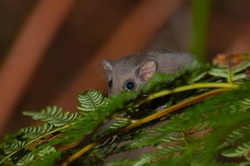
This little Feathertail Glider Acrobates pygmaeus was recently rediscovered on the Mornington Peninsula, but we need the members of the greater community to undertake a pledge to protect the habitat and thus protect these amazing creatures. Feathertail gliders are the size of a mouse with the most amazing feather like tail, they rely on insects and pollen to survive which means they need to come down to the ground on occasion to get to the food source. This puts them at risk of predation by roaming cats, Mornington Peninsula shire council has a 24 hour cat curfew in place, which means your cat MUST be indoors 24 hours a day for the sake of small mammals and birds